Is There a Magic Number of Credit Cards for a Perfect Credit Score?
Is There a Magic Number of Credit Cards for a Perfect Credit Score?
Sep 21, 2025
When you're focused on your financial health, it's easy to get caught up in the credit card number game. Should you have one card? Five? Ten? The truth is, there's no single "magic number" that guarantees a perfect score.
The real key to an excellent score is understanding how to improve credit score by managing the factors that matter most. If your score has suddenly fallen and you're asking "why did my credit score drop," it's almost never because you have the "wrong" number of cards.
At Fixurowncredit.com, we believe in giving you the tools to fix credit yourself. Here's the breakdown of how credit cards affect your score and how our DIY Credit Repair solution can help.
The Factors That Affect Your Credit Score More Than Card Quantity
Before you open another account, let's look at what truly influences your score. These factors are key to understanding how to improve credit score and addressing issues like why did my credit score drop:
- Payment History (35%): This is the single most important factor. Are you paying your bills on time, every time? A single 30-day late payment can have a significant negative impact.
- Credit Utilization (30%): This is the percentage of your total available credit that you're currently using. For example, if your total credit limit is $10,000 and you have a balance of $1,000, your utilization is 10%. Experts recommend keeping this number below 30%, and those with the highest scores often keep it in the single digits. This is where multiple cards can really help.
- Length of Credit History (15%): The longer your accounts have been open and in good standing, the better. This is why it's generally a bad idea to close your oldest credit cards, even if you don't use them often.
- New Credit (10%): This factor considers how many new accounts you've opened recently. Applying for a new card triggers a "hard inquiry" on your credit report, which can cause a small, temporary dip in your score. Too many inquiries in a short period can signal to lenders that you're a higher risk.
- Credit Mix (10%): Lenders like to see a variety of credit accounts, such as revolving credit (credit cards) and installment loans (mortgages, car loans).
The "Sweet Spot": Why 2 to 4 Cards Often Works Best
While there’s no universal answer, most financial experts suggest that having two to four credit cards is a solid strategy for a healthy credit score.
- Lower Credit Utilization: This is the biggest advantage. With multiple cards, your total available credit is higher. By spreading your spending, you keep your utilization ratio low, which significantly helps your score. For example, a $2,000 balance on a single $5,000 limit card is 40% utilization, but with a second $5,000 limit card, it drops to 20%.
- Demonstrates Responsible Management: Successfully managing multiple accounts builds a more robust payment history over time, showing lenders you are an experienced borrower.
- Backup and Rewards: Multiple cards give you a backup if one is compromised and allow you to diversify rewards (e.g., one for gas, one for groceries).
The Bottom Line: Focus on Management, Not Quantity
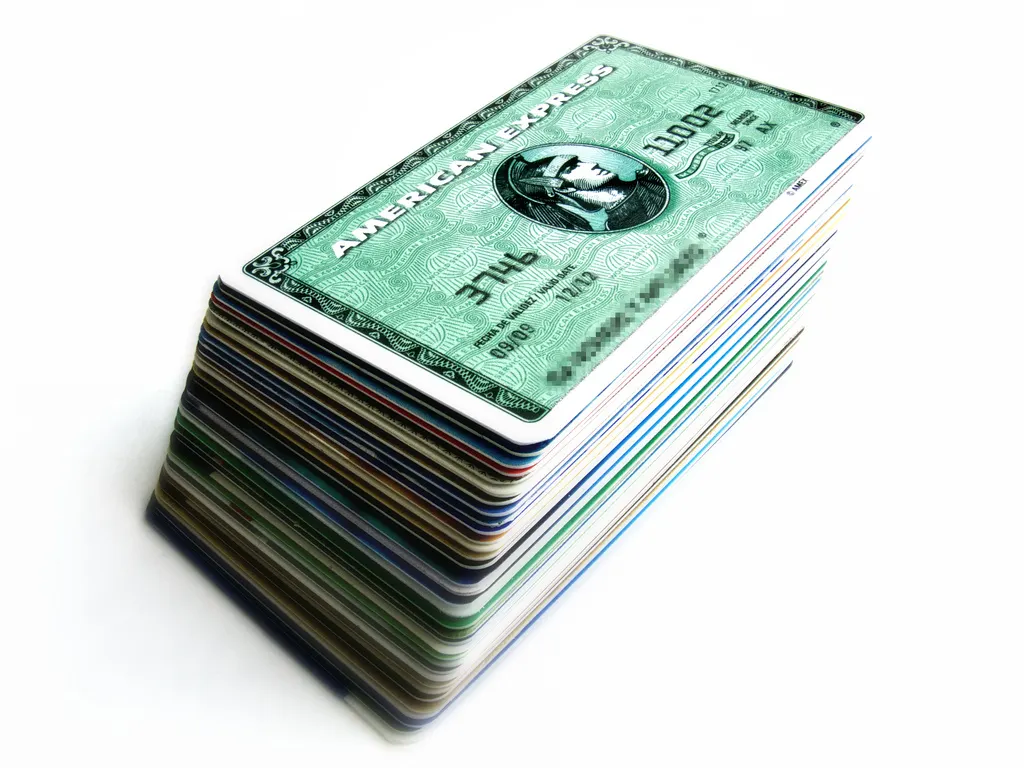
You don't need a wallet stuffed with plastic to have an excellent credit score. The key is how you use your credit, not how many cards you have.
To avoid asking "why did my credit score drop" or having to look up credit repair companies for help, focus on these core habits:
- Always pay your bills on time.
- Keep your balances low.
- Avoid opening too many new accounts in a short period.
Did Your Credit Score Drop Because of Errors or Collections?
No amount of responsibly managed credit cards can overcome the negative impact of an inaccurate collection, late payment, or error on your report. If you are struggling with outdated information or need to remove collections, you need a powerful tool.
You don't need to spend thousands on an expensive agency, or using outdated information to learn how to repair credit report errors! Get our credit repair software today!
Our affordable credit dispute tool provides the step-by-step guidance and proven documents you need for DIY Credit Repair, so you can fix credit yourself and get your score back on track.
Click here to master the process and start your DIY Credit Repair journey!